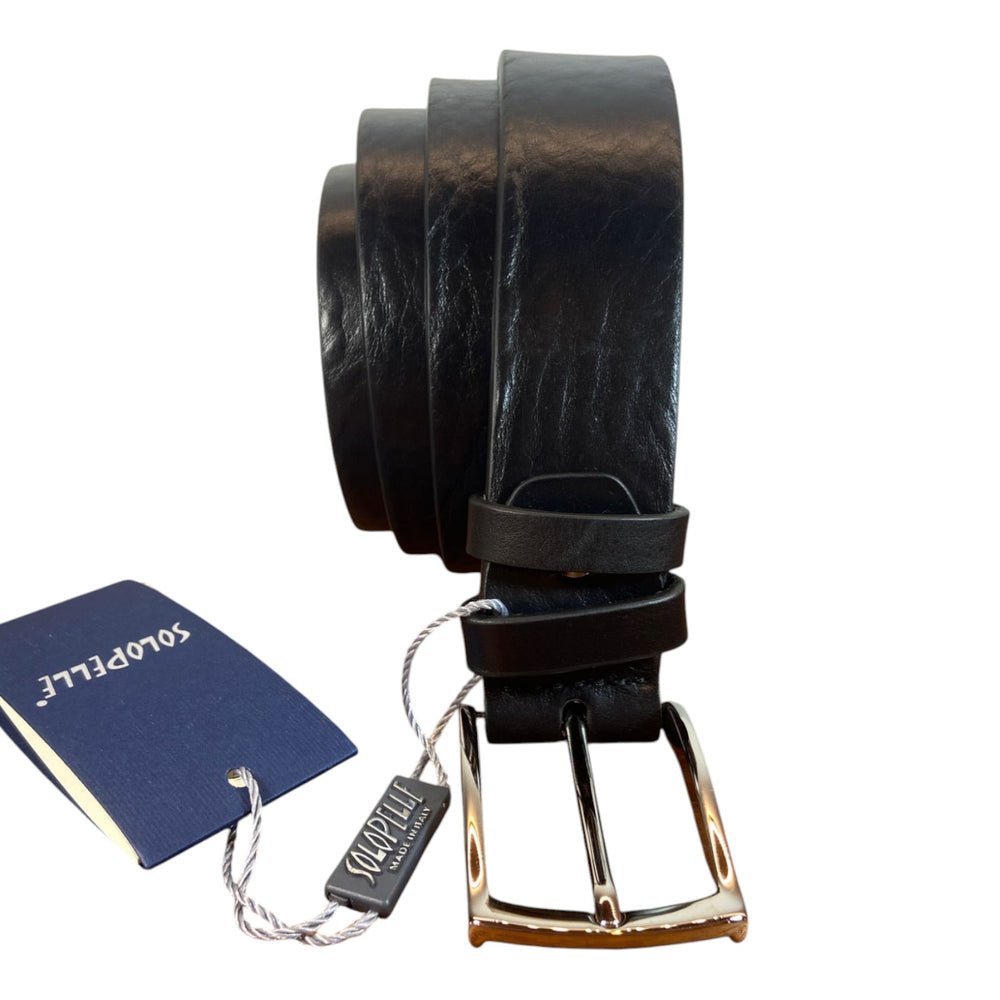
Men's leather belts: a functional accessory and a stylistic detail
Belts are a key accessory in a man's wardrobe, serving both a practical and aesthetic purpose. Beyond holding up trousers, belts complete outfits by defining proportions and adding a touch of stylistic coherence through materials, colors, and finishes. The selection offered encompasses a variety of interpretations: from classic smooth leather belts for formal and business settings, to woven and suede styles for casual looks, and even Western-style options with studs, turquoise accents, and decorative vintage details. These accessories, crafted from genuine Italian leather, showcase traditional craftsmanship, quality construction, and attention to detail, designed to last, developing a distinctive patina with use.
Types: classic formal, casual braided and decorative western
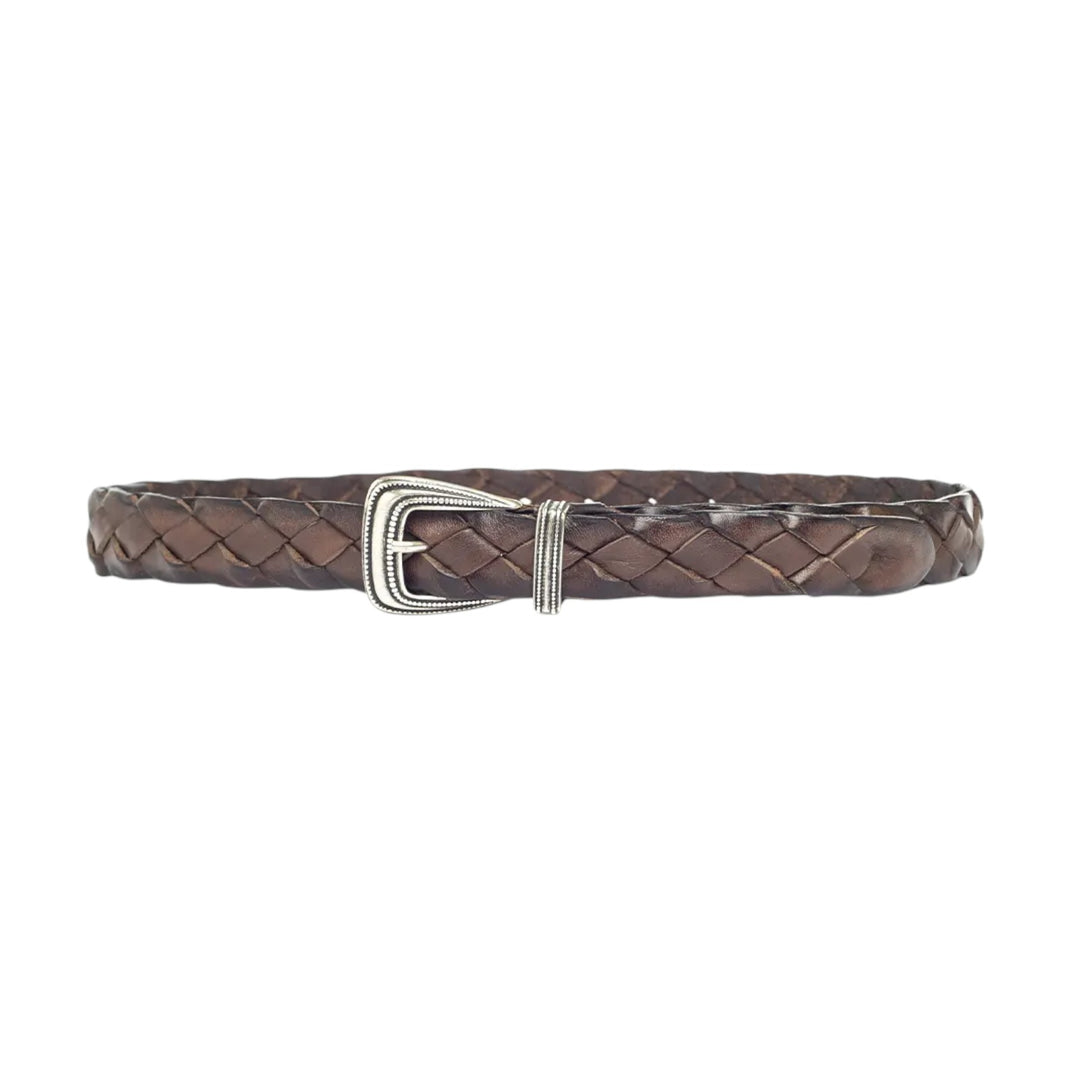
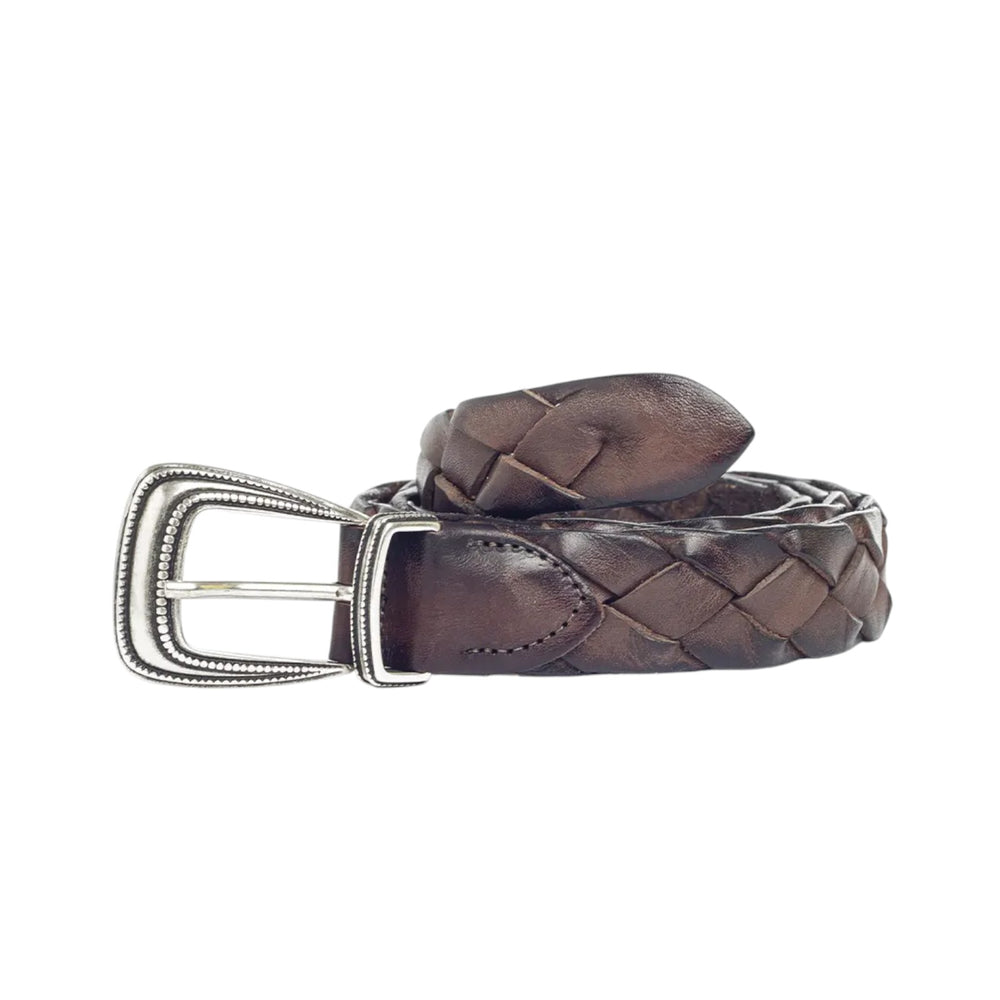
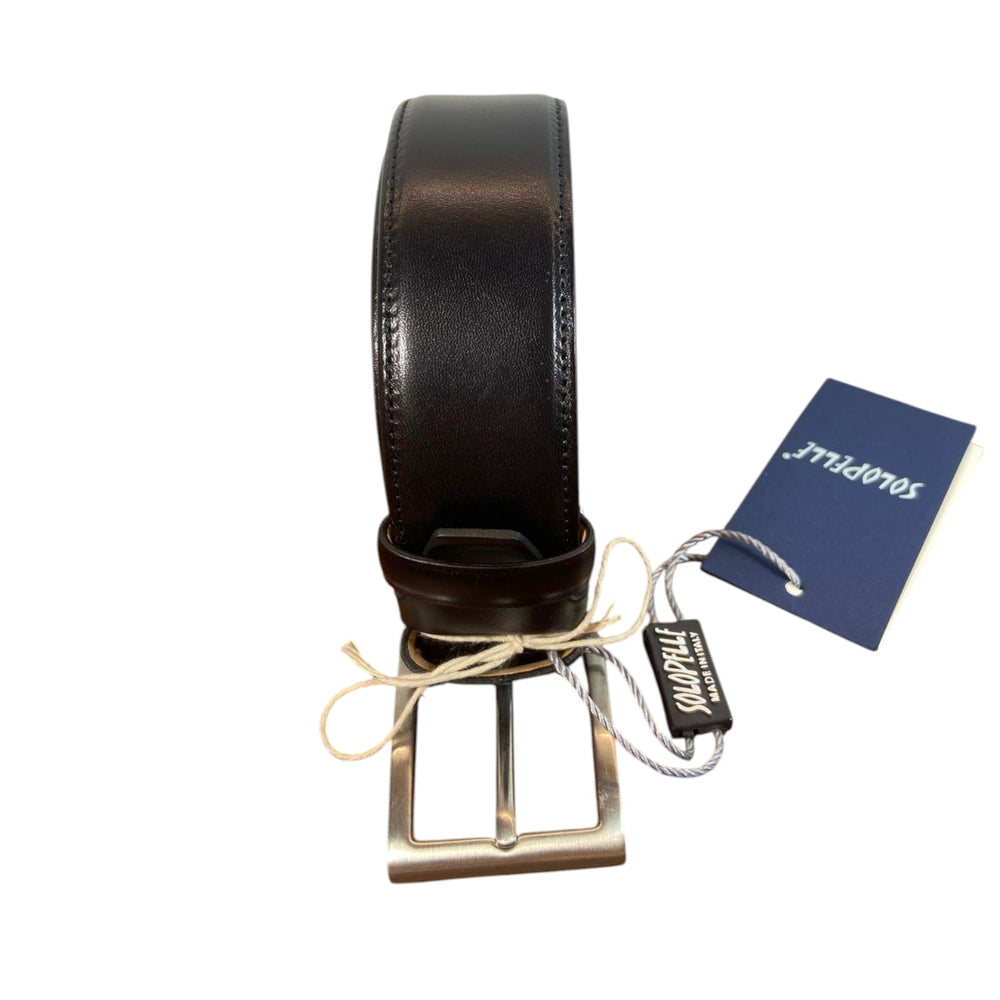
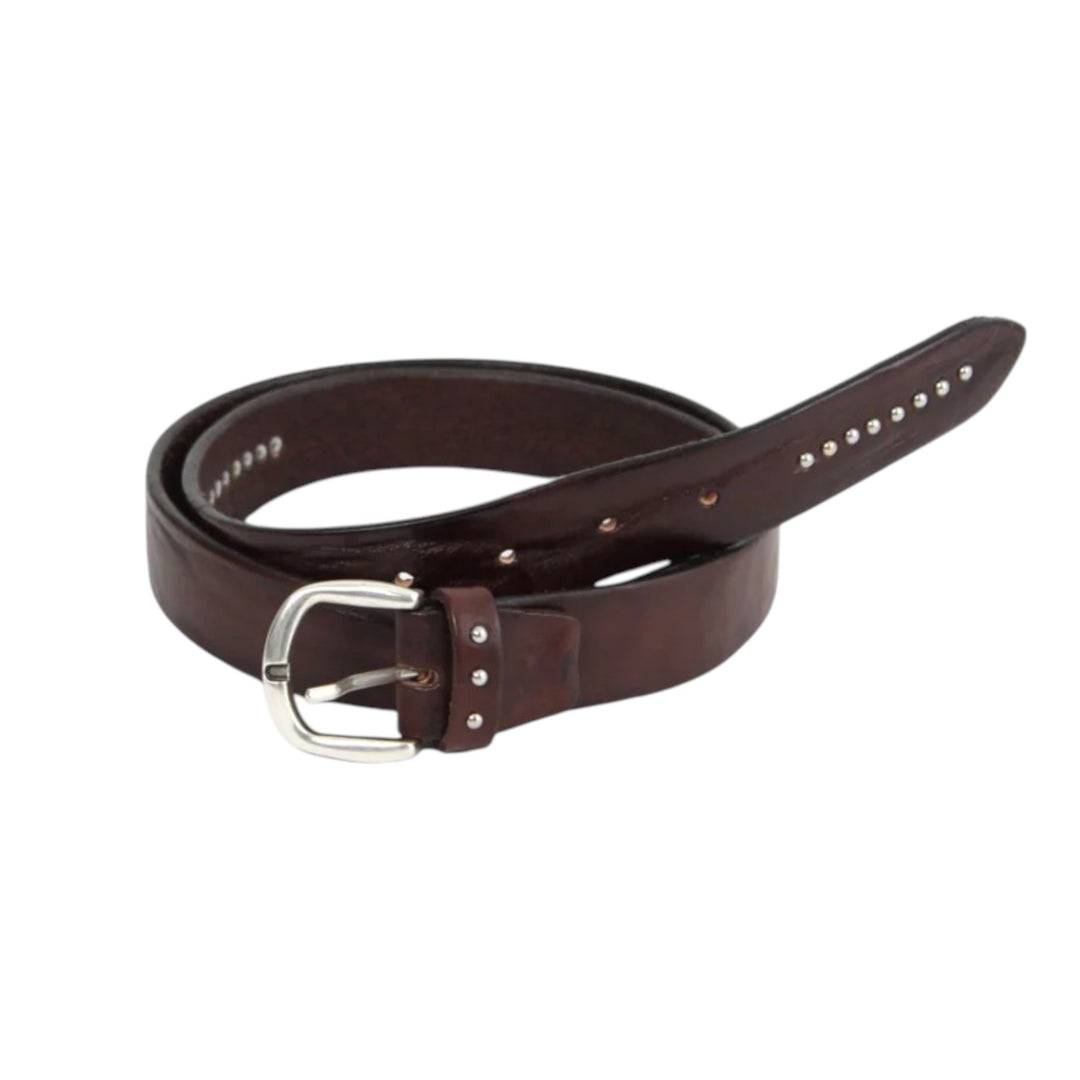
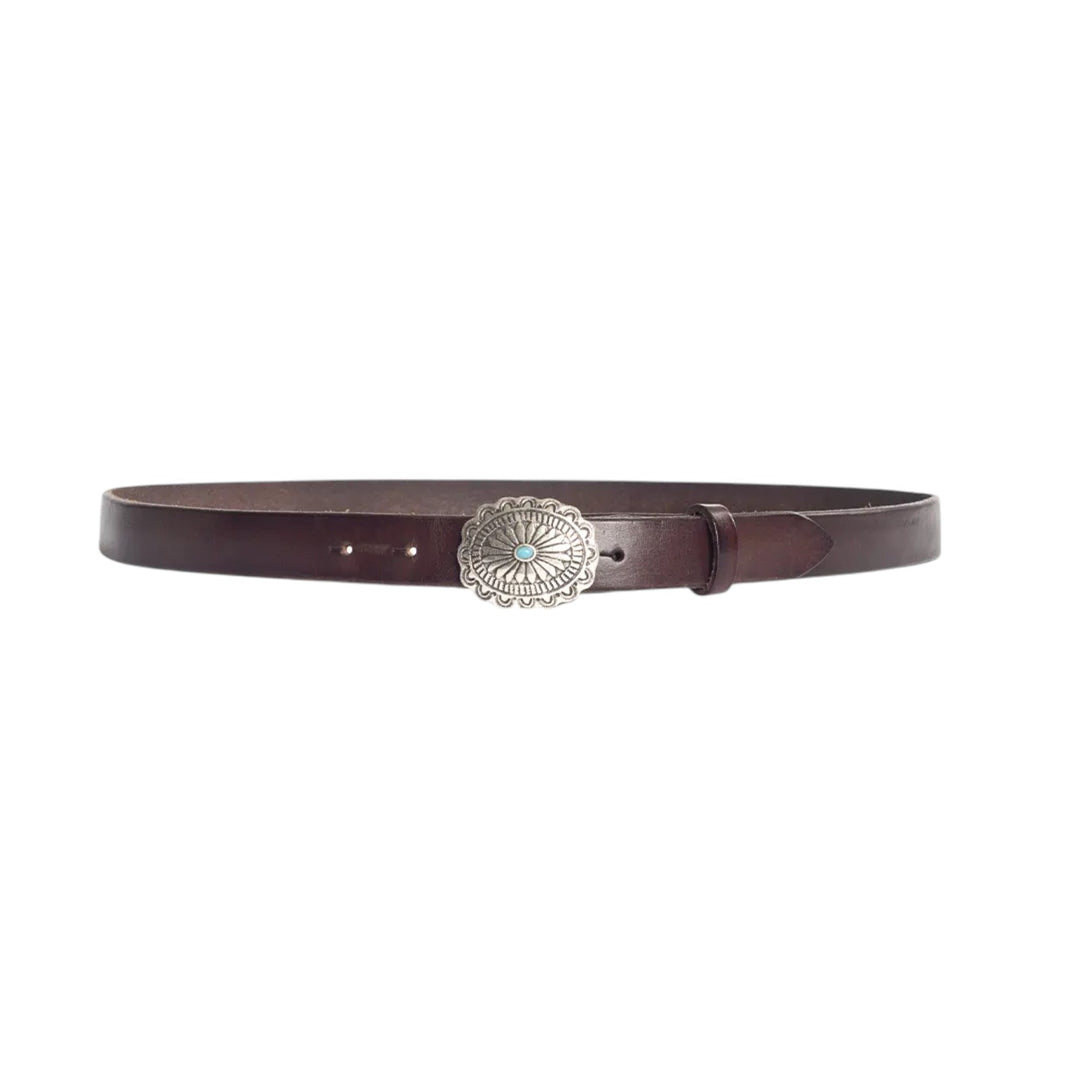
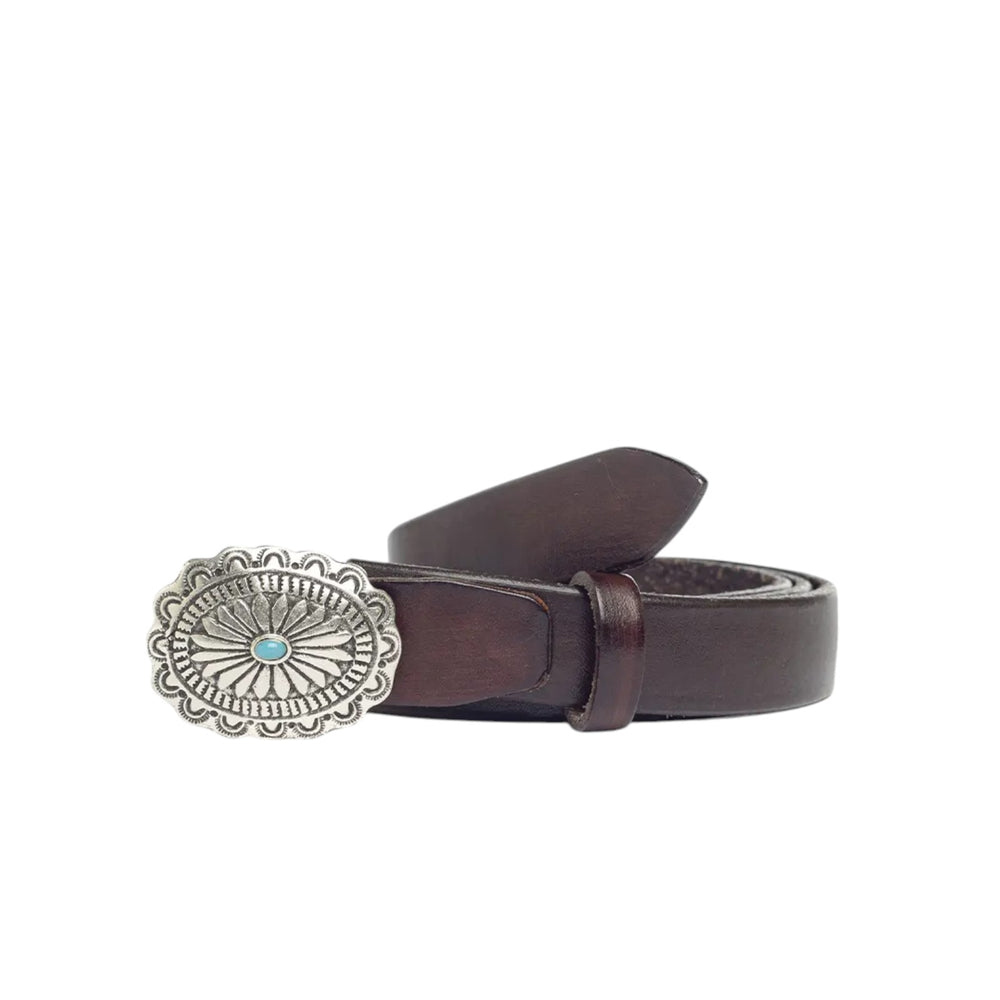
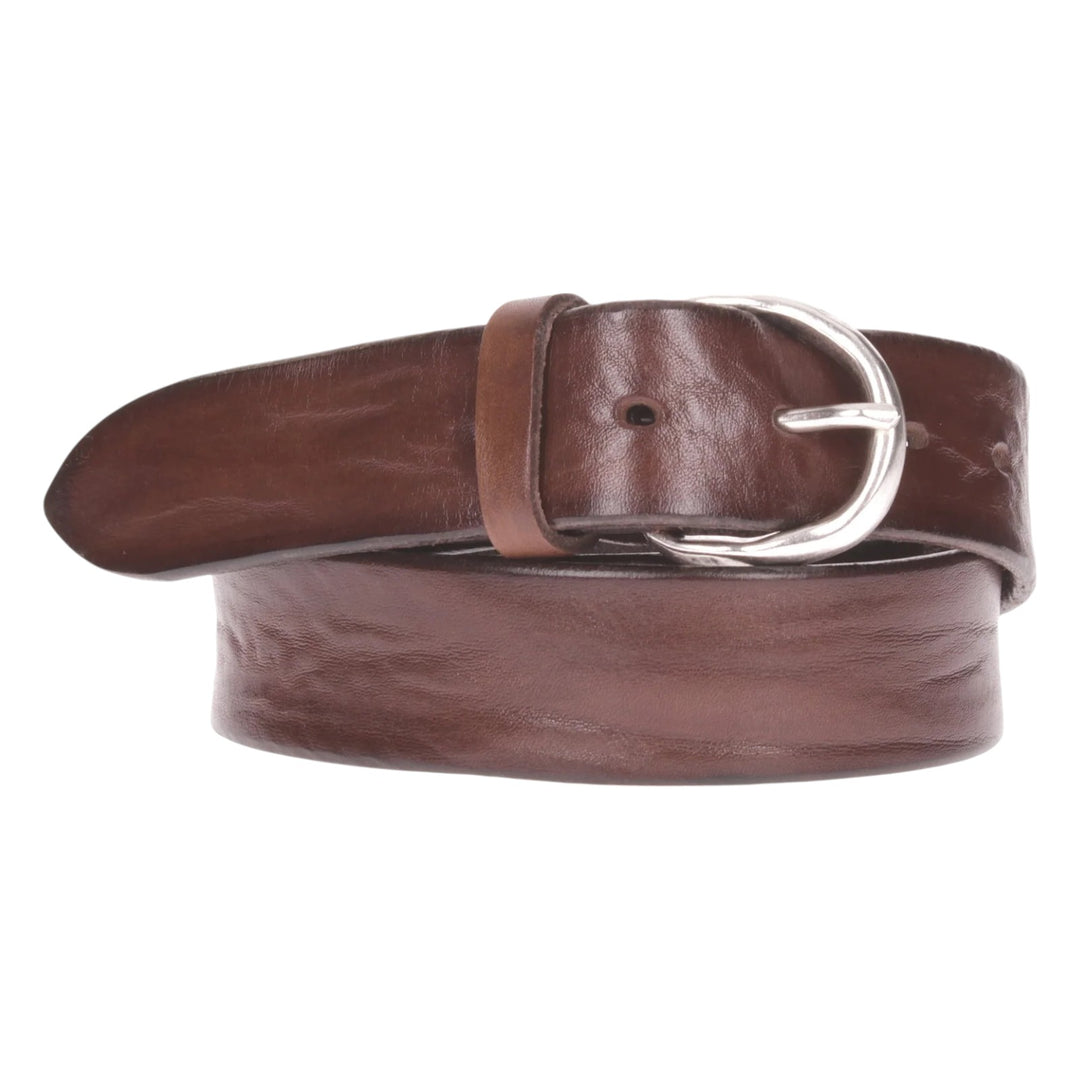
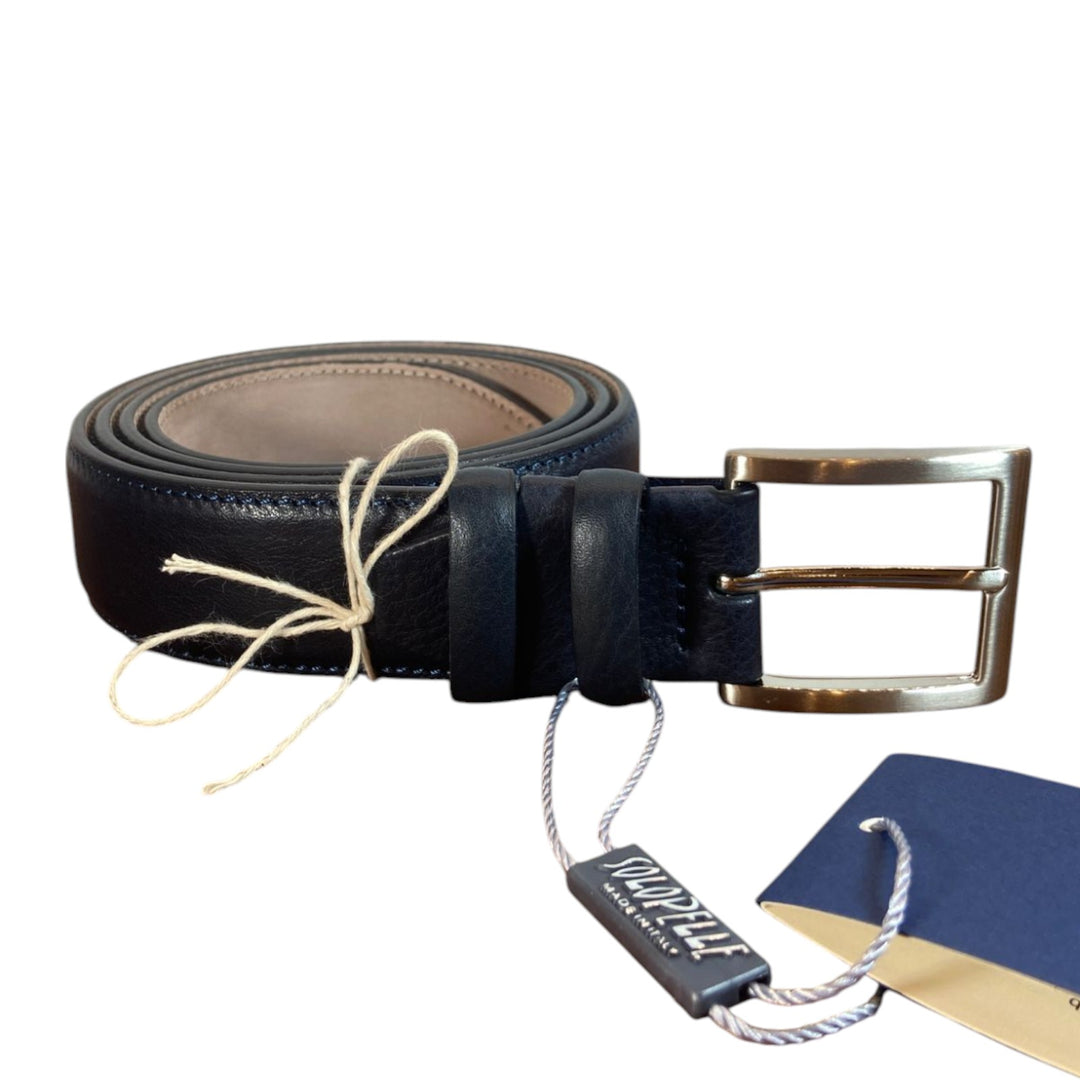
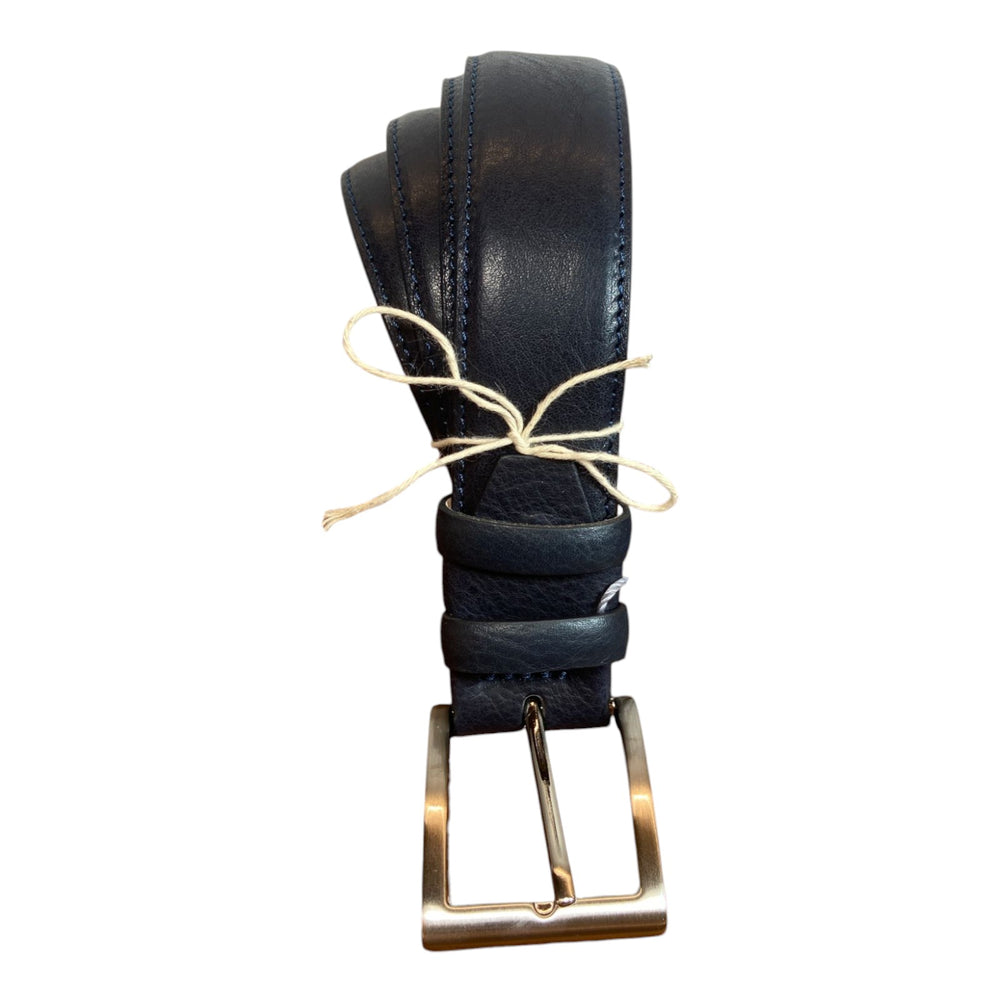
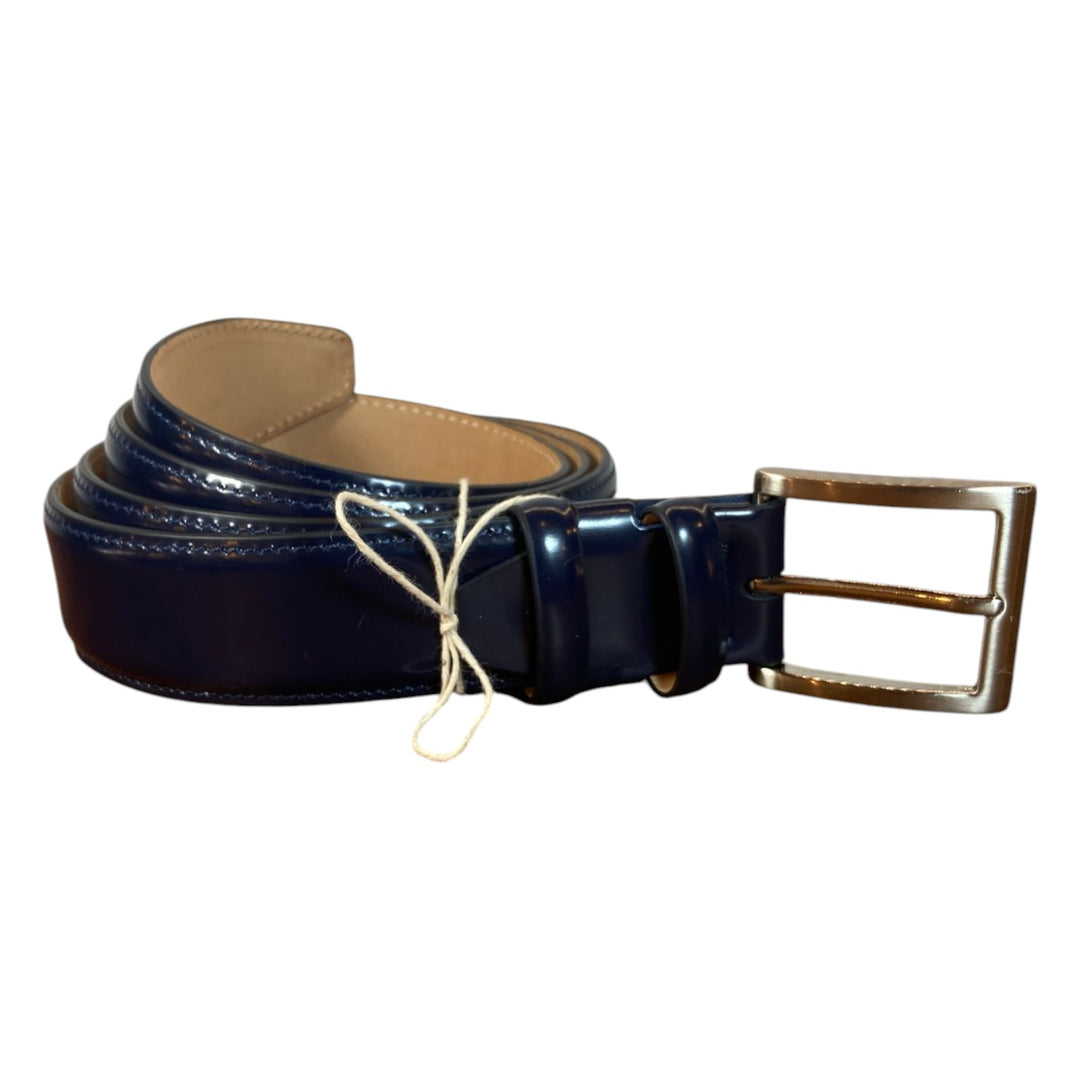
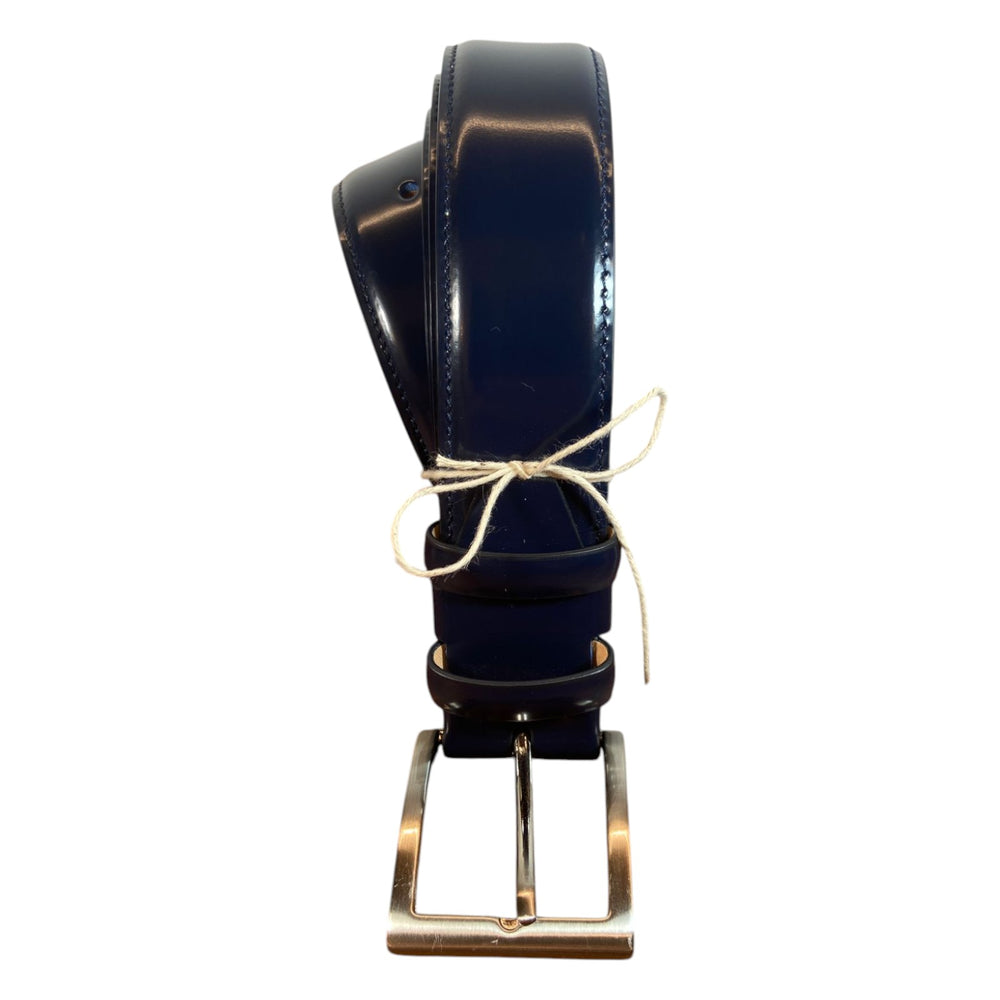
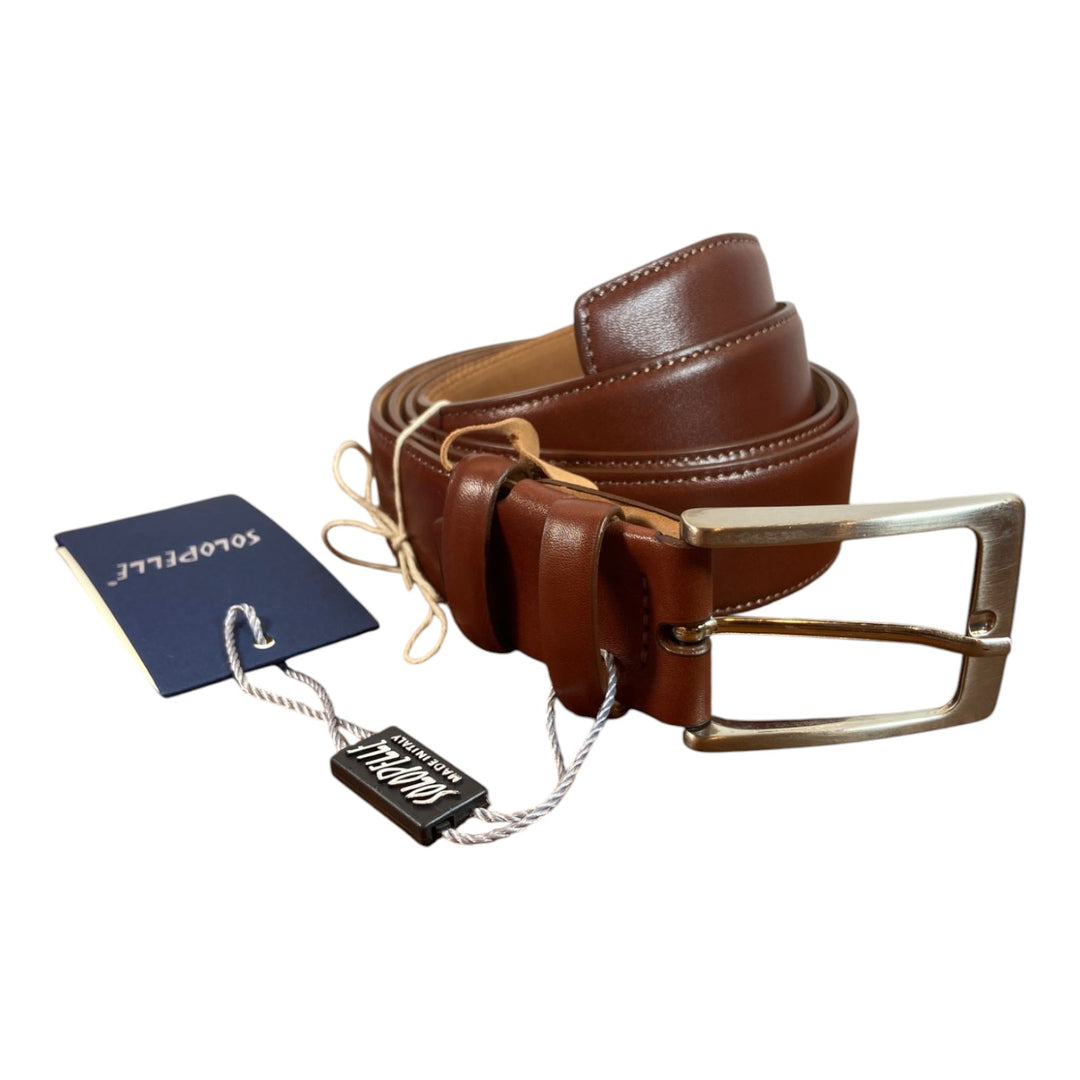
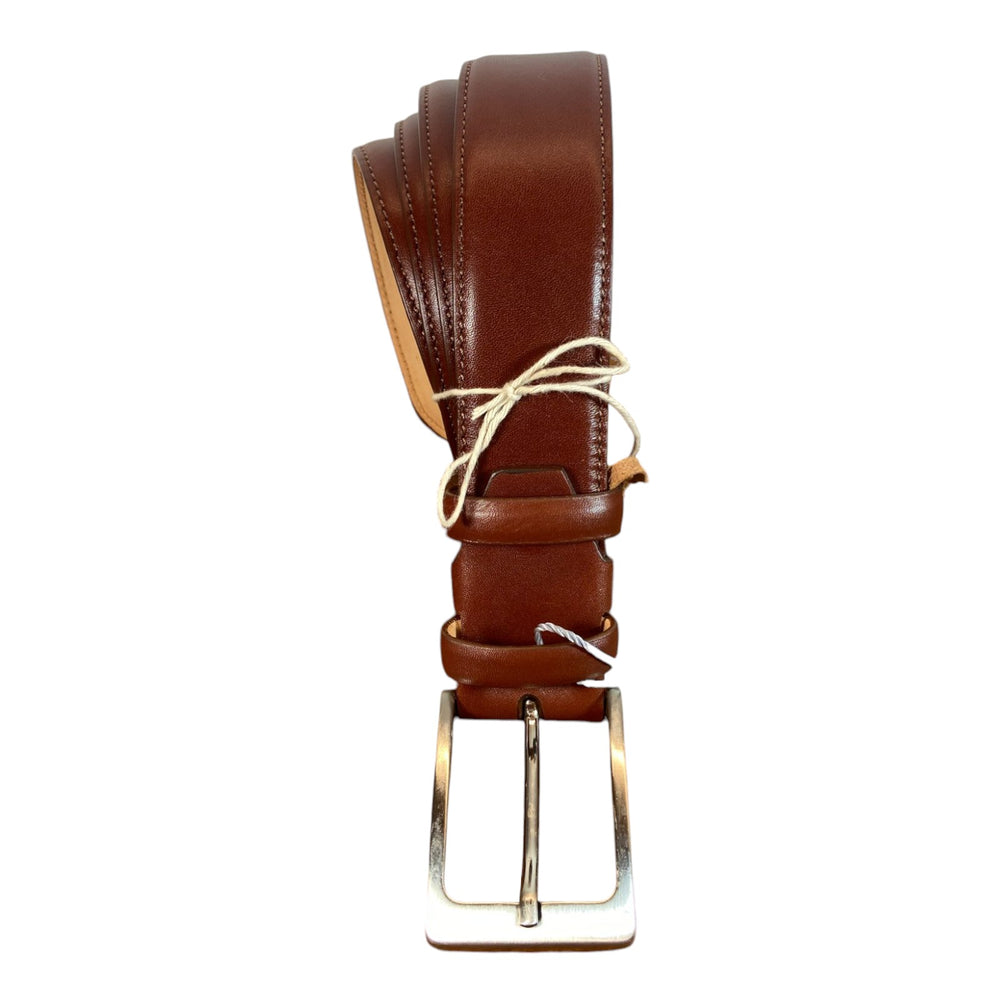
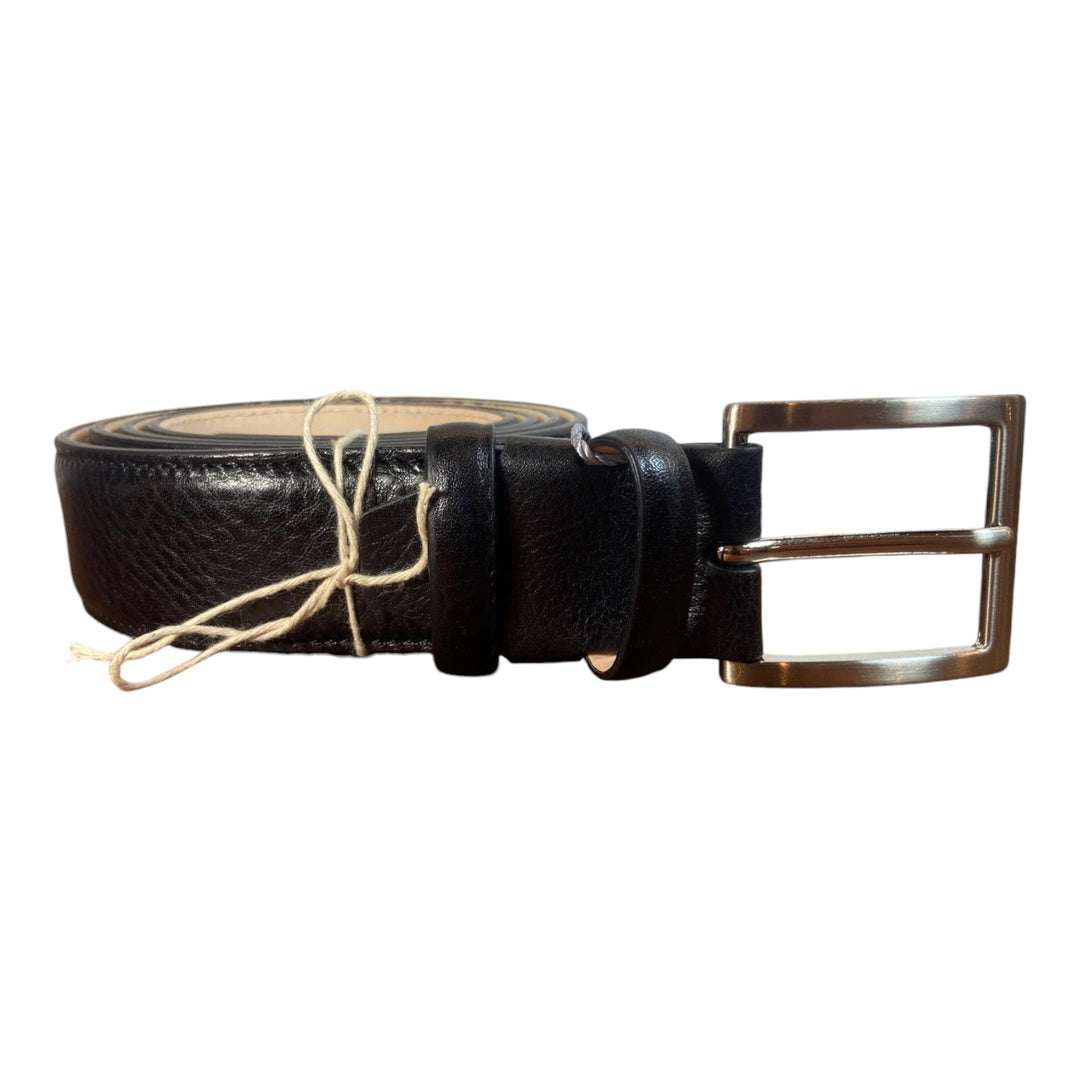
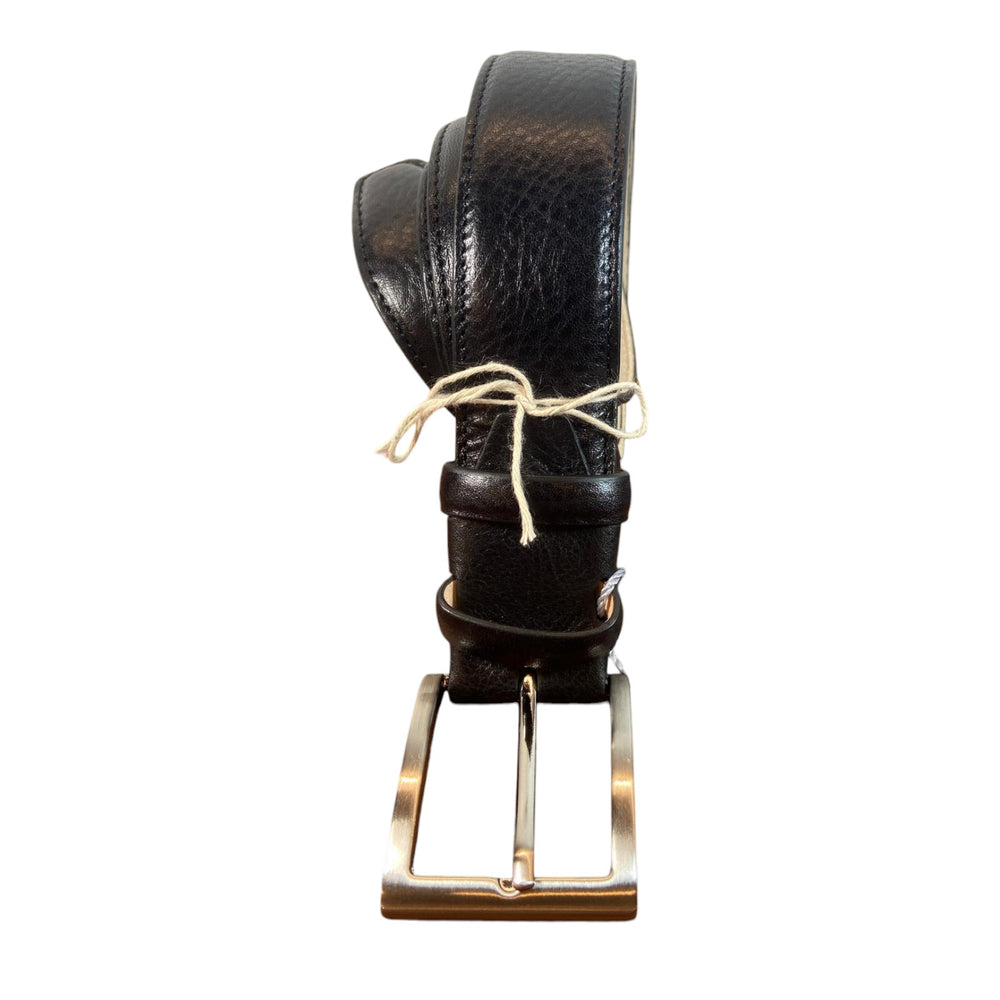
Classic belts in smooth or tumbled leather are a versatile solution for formal and business settings: essential designs, understated buckles in burnished or polished metal, and a standard width of 3 to 3.5 cm. Ideal for pairing with suits, tailored trousers, and elegant shoes, they emphasize the subtlety and quality of the leather. Braided and suede belts interpret the casual aesthetic with softer, more informal textures: braided leather adds visual movement and flexibility, while suede lends a soft touch and a less structured look, perfect for denim, chinos, and weekend outfits. Western and vintage belts with studs, turquoise, and decorative details express a more pronounced personality: prominent buckles, applied metal details, and aged effects that recall American heritage aesthetics, suitable for looks with workwear, biker, or country influences.
Materials and workmanship: genuine Italian leather and handcrafted finishes
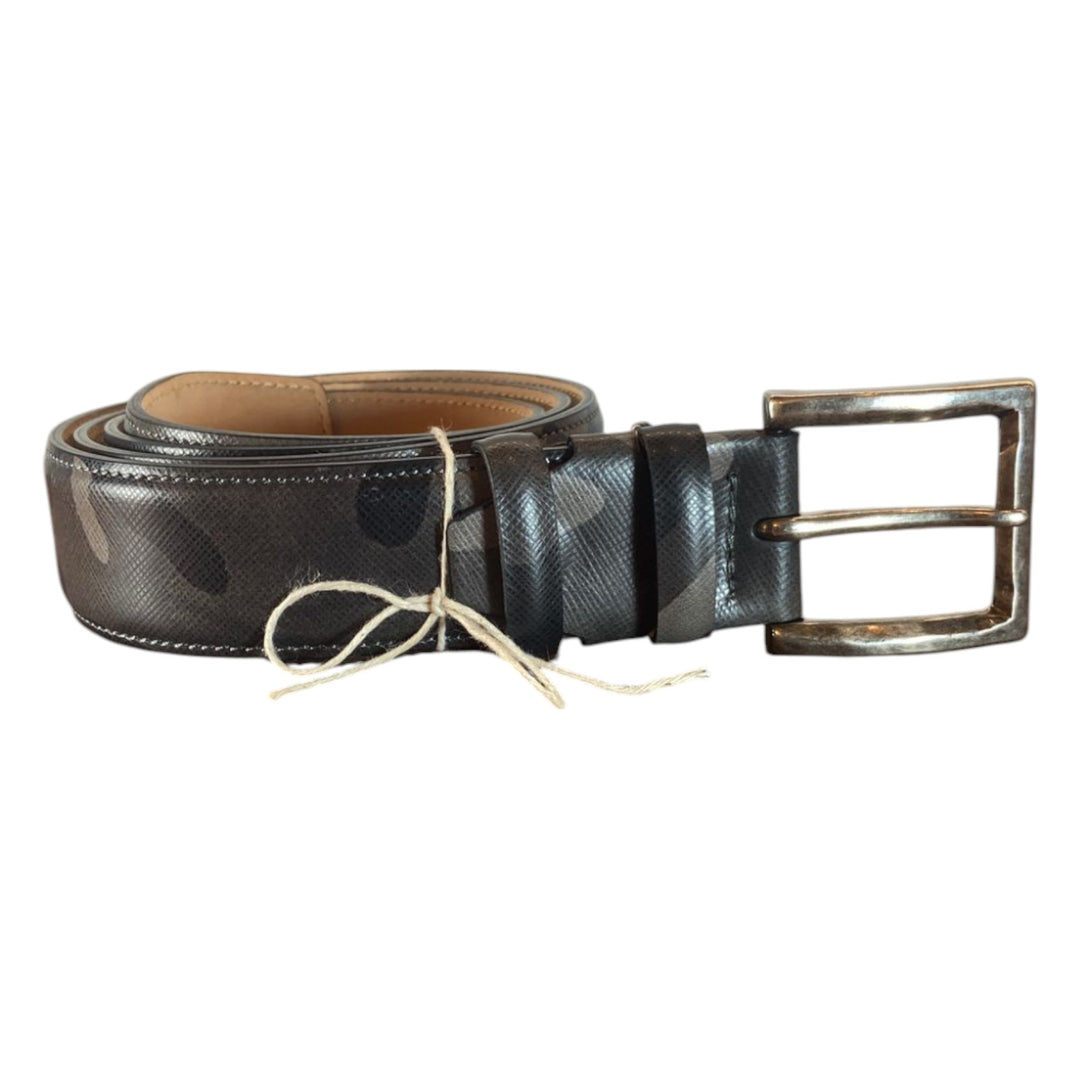
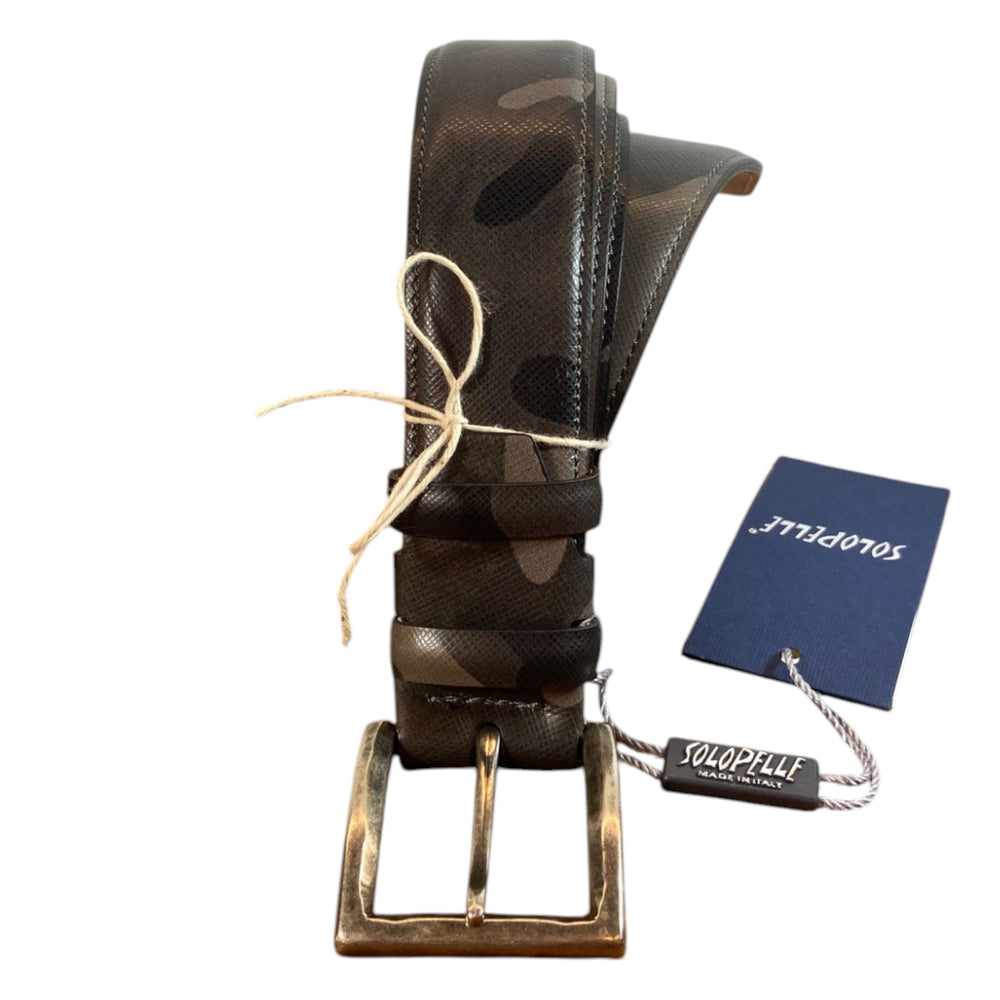
Genuine Italian leather guarantees superior quality, wear resistance, and the ability to develop a natural patina with use. Smooth vegetable-tanned or chrome-tanned leather offers a uniform, glossy surface that's easy to clean and maintain, making it ideal for formal settings. Tumbled leather has a grainy texture that better hides scratches and signs of wear, making it more durable for intensive daily use. Suede lends softness and a matte finish, requiring more care but offering superior comfort and a distinctive aesthetic. Craftsmanship includes exposed stitching, hand-finished edges, and vegetable dyes that preserve the leather's natural characteristics. Burnished, nickel-free, or aged brass buckles complete the accessory with attention to detail and mechanical durability.
Fit and maintenance: choosing the size and caring for the leather
The correct size is determined by measuring the waist circumference at the point where you usually wear your pants, adding 10-15 cm to the resulting measurement. The belt should close at the center hole to allow for adjustments if there are any changes. The standard width (3-3.5 cm) fits most belt loops, while wider styles require compatible belt loops. Leather care includes periodic cleaning with a soft, damp cloth, the occasional application of specific nourishing creams to maintain softness, and storage by hanging or rolling, avoiding tight creases. Avoid prolonged exposure to humidity, direct heat sources, and harsh chemicals. Quality leather improves with use, developing its unique character and personality.
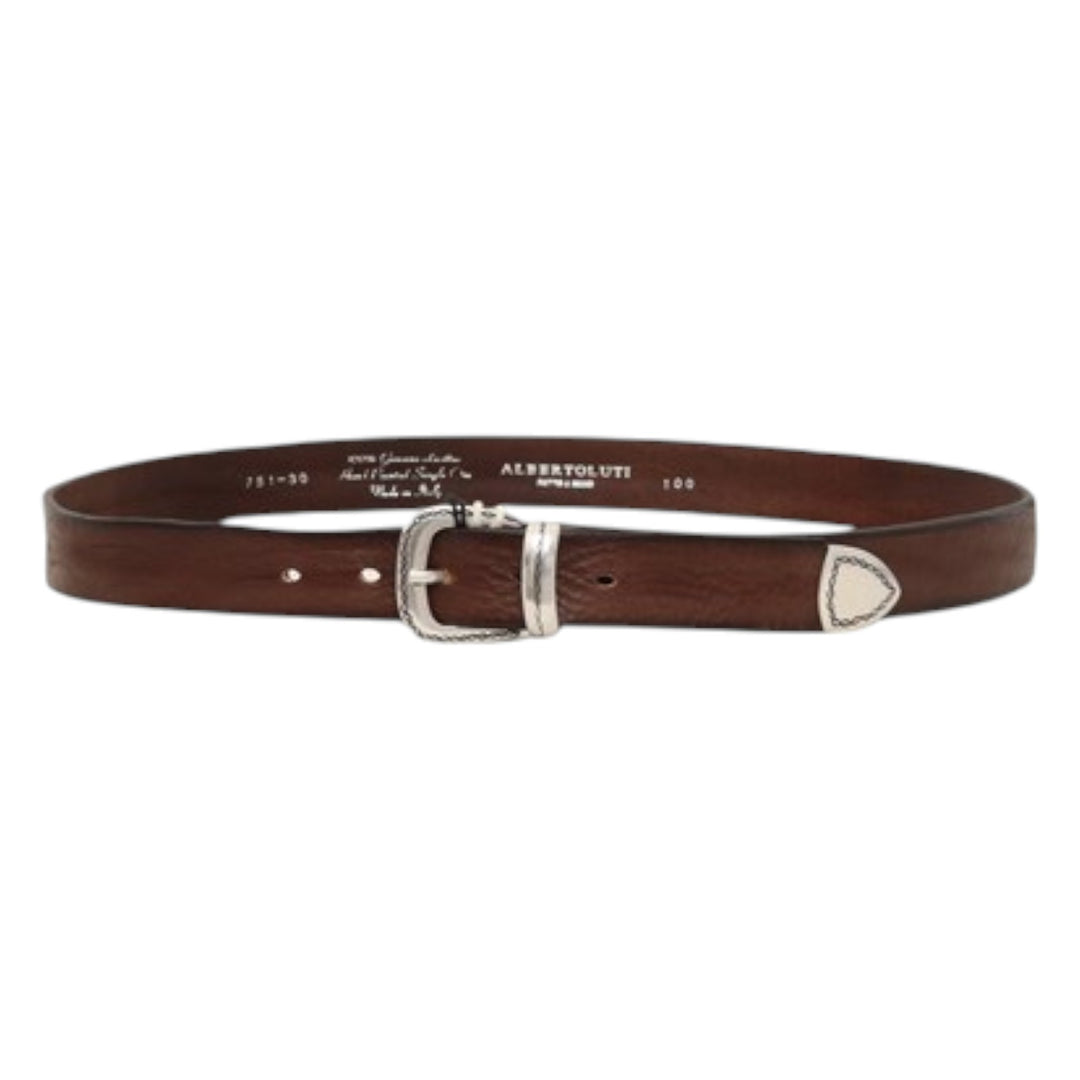
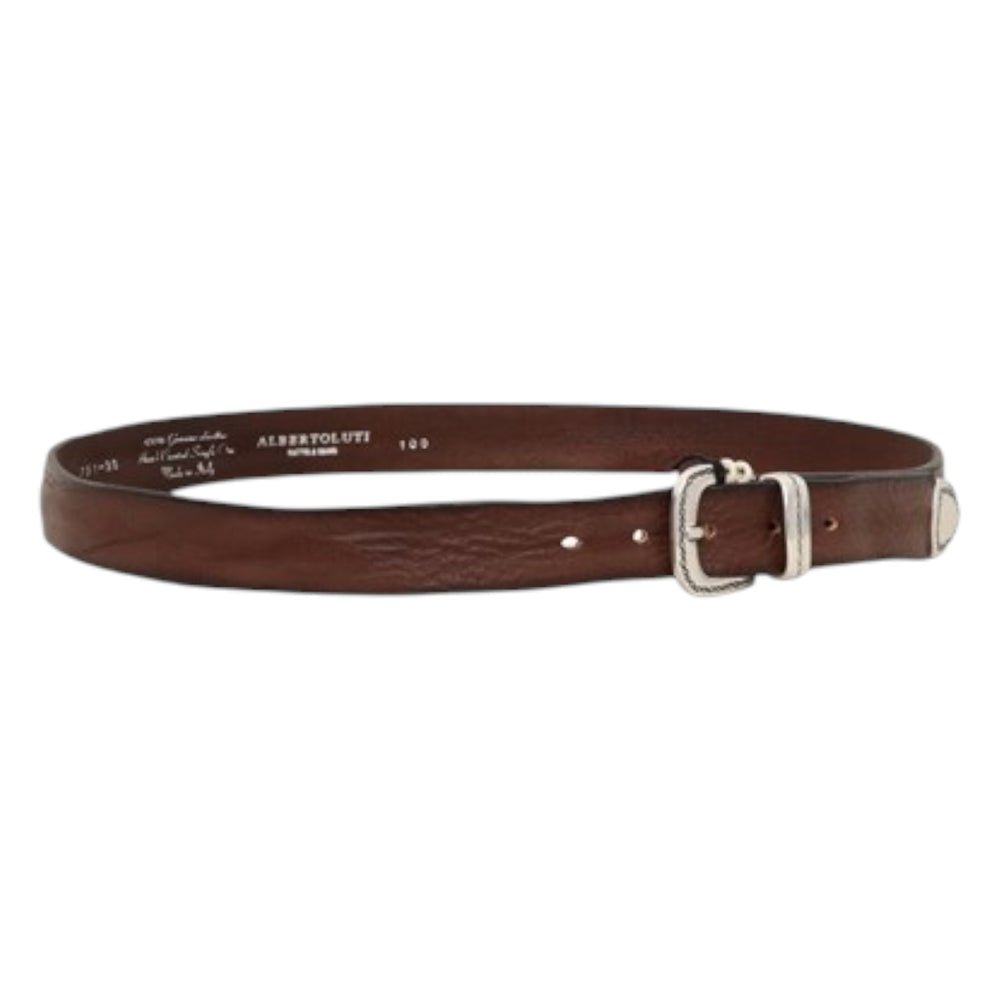
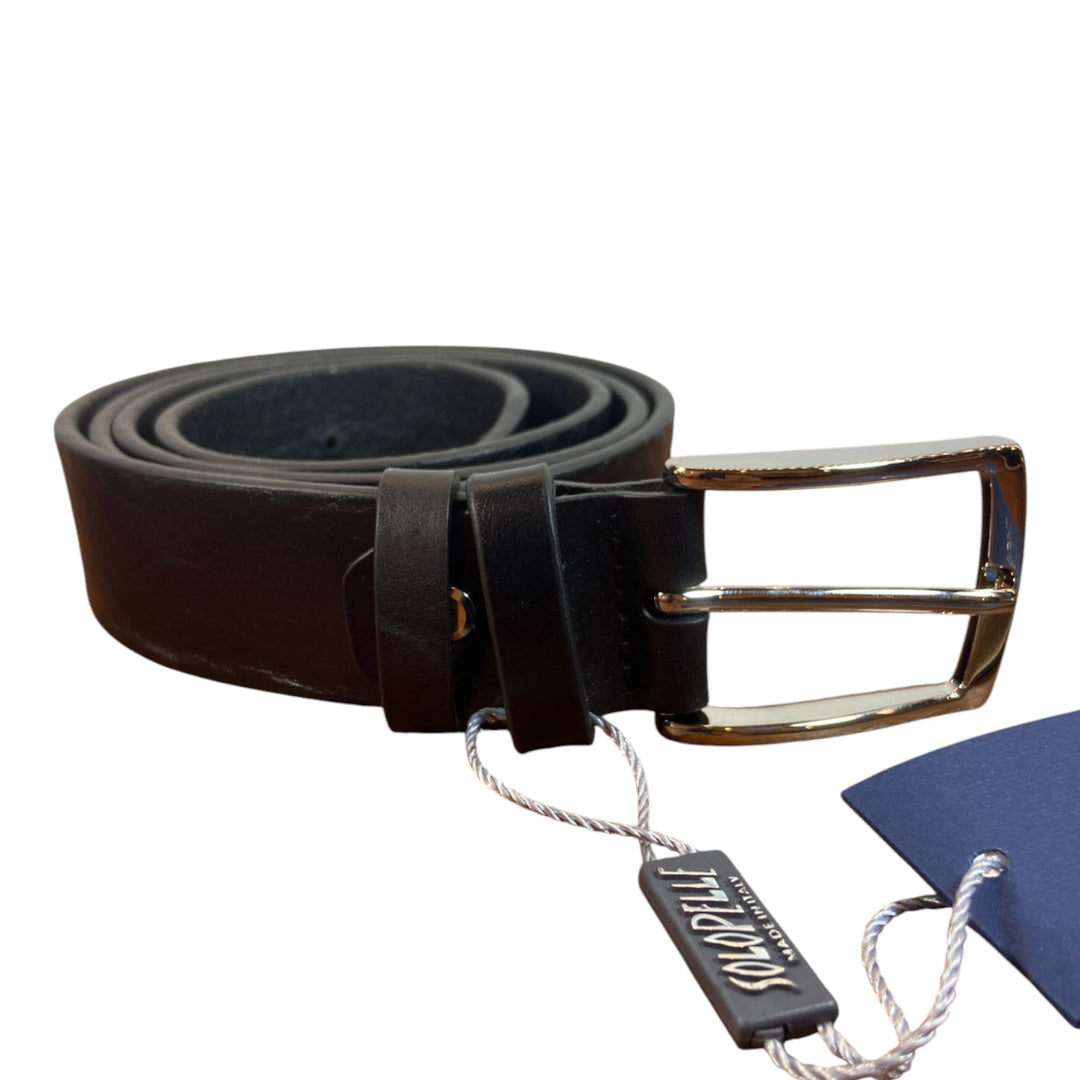
The selection of men's leather belts showcases Italian craftsmanship excellence through two complementary brands. Alberto Luti interprets the Tuscan leather tradition with distinctive Western, vintage, and woven belts, using handcrafted workmanship and decorative details that recall American heritage aesthetics. Solo Pelle brings expertise to classic leather goods with essential styles in smooth, tumbled, and saffiano leather, emphasizing versatility and quality construction for both formal and casual settings. A selection designed for those seeking authentic, long-lasting accessories that complement any outfit with stylistic coherence.
Frequently asked questions about men's belts
How to choose the right size for a belt?
Measure your waist circumference where you wear your pants and add 10-15 cm. The belt should fit into the center hole (third or fourth of five holes) to allow for adjustment. Alternatively, order a size larger than your pants (e.g., pants size 48 = belt size 50).
What is the difference between smooth leather and tumbled leather?
Smooth leather has a uniform, shiny surface, ideal for formal settings but is more susceptible to scratches. Tumbled leather has a natural, grainy texture that better hides signs of wear and is more durable for intensive daily use, making it suitable for casual and business casual settings.
How to match a belt with shoes?
The classic rule is to match colors: a brown belt with brown shoes, a black belt with black shoes. For formal occasions, maintain this consistency. For casual outfits, greater freedom is allowed, favoring overall tonal harmony rather than exact matching.
Are Western belts only suitable for casual looks?
Yes, Western belts with studs, turquoise accents, and bold buckles are suitable for casual, workwear, or country/biker-inspired outfits. They're not appropriate for formal or business settings, where classic, essential styles with understated buckles are more appropriate.
How to clean and maintain a leather belt?
Clean periodically with a soft, slightly damp cloth, occasionally apply nourishing leather creams, and avoid exposure to excessive humidity and heat sources. Store hung or rolled up without tight creases. Suede requires specific brushes and dedicated products.
How long should a quality genuine leather belt last?
A quality genuine Italian leather belt, if properly cared for, can last for many years (5-10 years or more), developing a characteristic patina that enhances its appearance. Lifespan depends on frequency of use, maintenance, and initial construction quality.